idja
this word as shared with related languages indicates that this might not mean skin as such, but flesh, muscular parts of the body; non-fatty meat.related languages include Kaurna, Nukunu and Ngadjuri.
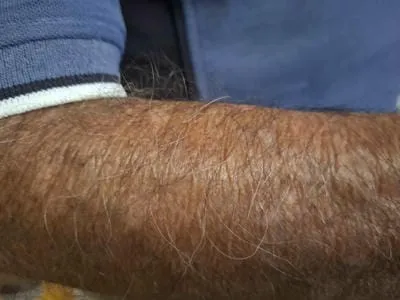
idja walanggwidja
this word was created using records which show us how to create new words e.g. bindi Nhandhu (horse)
Ilara
- Louisa Egginton says they could not talk our language and only made a funny noise. They came out at Emu Waterhole, or Ilarawi.- the Ilara had mud camps and you can still see their mud heaps in the scrub. (Egginton/Tindale)- some think that Ngarna may have been an Ilara.- Aunty Phoebe Wanganeen says the Ilara were probably only just dying out in the early twentieth century.- Ilara may come from an old word (found in related language records) meaning strange, unknown.- related languages include Kaurna, Nukunu and Ngadjuri.
Ilarawi
- the name was taken up into English as Hilderowie.- Hilderowie is likely to be close to the original spot.- the Nharangga created wells at Marion Bay by breaking through the surface capping of limestone. The wells were about one metre deep and one metre wide. (Article by Tom Gara, 1985)- literally waterhole of the Ilara.
maaru
- we have only one record of this phrase, in the Hughes&Giles/Tindale collection, which is not always entirely accurate, so the word may not be quite correct.- because the manuscript is smudged, we cannot tell exactly what kind of shell: possibly cowrie.